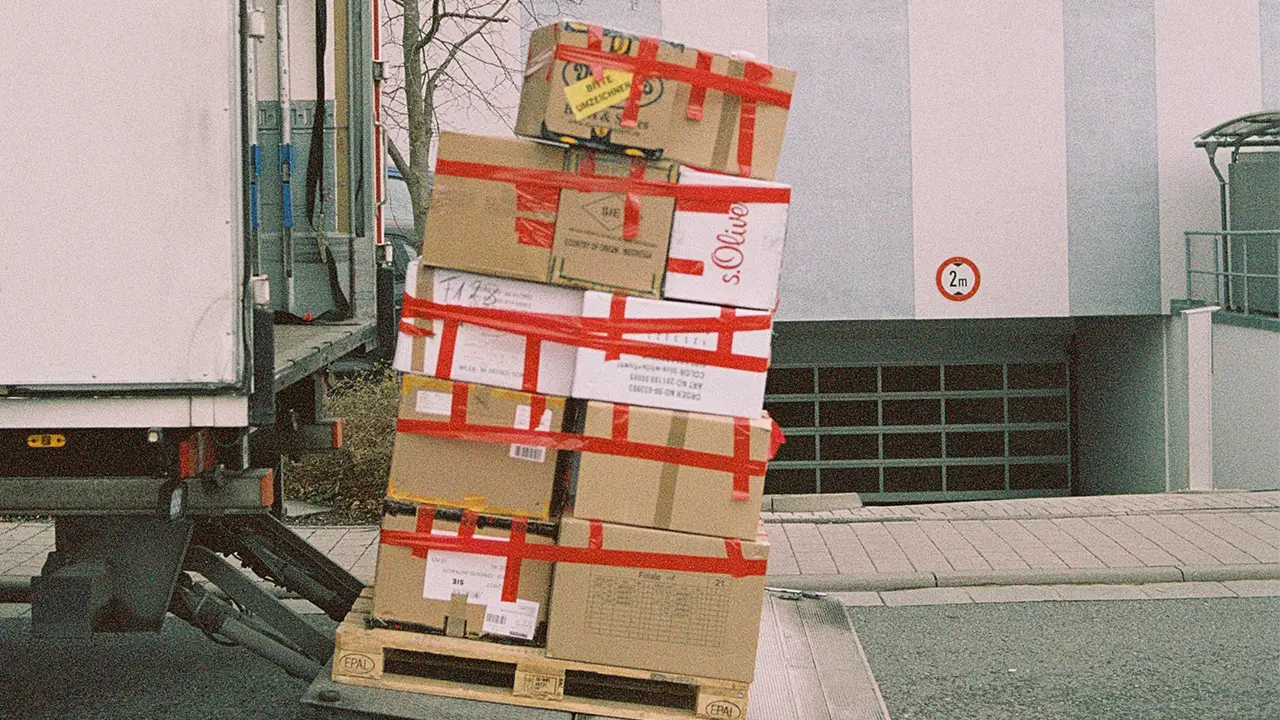
Thinking about moving to Hamilton from Brampton? You are not the first. More Brampton families look west each year, drawn by older homes, more green space, and a different pace of life.
The short answer: Hamilton costs less for many types of homes, but your commute changes. The move works best if you plan your work, your schools, and your neighbourhood before you list your house.
I help buyers and sellers across the Golden Horseshoe, so I hear this story often. A family outgrows a Brampton semi, sees what the same money buys in Hamilton, and starts asking questions.
I recall working with a couple who toured a century home in Dundas on a Sunday. They called me the next morning and asked how fast we were able to sell their townhouse.
This guide covers the distance, the commute, costs, neighbourhoods, schools, and the steps to make the move. You will know if Hamilton fits your life before you pick up a box.
How Far Is Hamilton From Brampton in Southern Ontario?
The two cities sit roughly 60 kilometres apart in southern Ontario. By car, the trip takes about an hour without traffic, and longer at rush hour. Routes cross busy highways, so timing matters.
Check a live map for your own route before you commit. A trip from north Brampton to the Mountain differs from a trip to the waterfront. Try the drive at the time you would travel on a normal workday. Two test runs give you a far better picture than any average.
Is Brampton Considered the Greater Toronto Area?
Yes. Brampton is part of Peel Region and sits inside the Greater Toronto Area, often called the GTA.
Hamilton is west of it. Many people still call Hamilton part of the wider Toronto region, because it links to Toronto by highways and GO Transit.
How Many Hours From Toronto to Hamilton by Car?
Without traffic, the drive from downtown Toronto is usually around an hour. At peak times it takes much longer. If either of you travels to Toronto for work, test the drive on a weekday morning first.
Add the time to your daily routine and ask whether you accept it for five years. Some people say yes. Others change their minds after one trip.
Commuting After You Move
The daily trip is the biggest change for most families. Think about where you work, and how often you go in. Remote and hybrid workers have the easiest time.
Driving to Work
Highways connect Hamilton to Brampton, Mississauga, and Toronto. Rush hour is heavy. Many commuters leave early or late to avoid peak traffic.
A parking spot and gas add to the cost, so include them in your budget. Tolls on Highway 407 add up fast if you use it often. Many drivers pick free highways and accept the longer time.
Hamilton Street Railway and GO Transit
Hamilton Street Railway, called the HSR, runs buses across the city. GO Transit connects Hamilton to Toronto, with stations in the city. Check current schedules and fares on the GO and HSR websites, because service changes.
If you plan to commute by train, live within a short drive or bus ride of a station. Train riders also work or read on the way, which turns commute time into useful time. Compare the total door-to-door time, not only the train ride.
Hybrid and Remote Work
Working from home a few days a week makes Hamilton much more practical. Some of my clients travel in twice a week and love the lower stress.
Test your routine for one month before you decide. Try the trip on your busiest day and on your quietest. Ask your employer about their long-term plan for office days, since policies change.
Why Hamilton Works for GTA Commuters and Long Term Living
Hamilton sits in a unique position at the western tip of Lake Ontario. This distinction matters, because it gives GTA commuters a prime location with easy access to highways and GO trains. Travel times vary by route, so research specific streets before you buy.
Many people live long term in Hamilton because the trade off is worth it: more space, a quieter pace, and good schools in many areas. Local amenities, job opportunities, and a thriving arts scene add to the appeal.
Hamilton, the Waterfall Capital
Hamilton calls itself the waterfall capital of the world. Albion Falls in the east end and Webster’s Falls in Dundas give residents immediate access to nature. The Niagara Escarpment frames the city, and Hamilton sits below and above it.
Growth, Value, and Home Prices
Hamilton has seen significant growth in recent years, and a significant portion of new buyers come from the GTA. The city offers a diverse range of homes, from century houses to new condos. The average home price depends on the type and the neighbourhood, so compare carefully.
Long term value depends on the area and the market, and no one promises results. Mohawk College and McMaster University anchor the local economy and support steady demand for homes.
Cost of Living in Hamilton vs Brampton
Hamilton often offers lower prices for older detached homes and character properties than parts of Brampton do. But prices change, and some neighbourhoods have grown quickly in recent years.
Look at recent sales in the exact street, not only the city average. For a wider view, read my guide on the cost of living in Hamilton vs Toronto.
Home Prices and Property Taxes
Compare the average home price for the type of home you want. A detached house in Hamilton is not the same as a new townhouse in Brampton. Property taxes differ by city.
Ask your agent for the tax bill of each home you tour. Add taxes, insurance, and utilities to your mortgage payment for the true monthly cost. Older homes often need repairs, so book a home inspection before you commit.
Rent and Daily Costs
If you rent first, Hamilton monthly rent is often lower than in the GTA core, though it varies by area. Groceries and services cost about the same across Ontario. Savings come mostly from housing, so focus there.
Run the numbers on a Brampton home sale against a Hamilton purchase. Subtract moving costs, fees, and a repair budget. The result shows your real gain.
Land Transfer Tax Differences
Brampton buyers pay Ontario land transfer tax only. Toronto charges an extra city tax, and Hamilton does not.
This helps you if you buy in Hamilton, compared with buying in Toronto. On a large purchase, the missing city tax is a real saving. It does not change the comparison with Brampton, since both charge only the provincial tax. Ask your lawyer for the exact amount before you make an offer.
Best Neighbourhoods in Hamilton for Brampton Families
Picking the right area matters more than picking the right house. Hamilton has distinct areas, and each has its own price range, pace, and personality.
The lower city sits below the escarpment. The Mountain sits above it. Each feels different.
The West End and Westdale
The west end is popular with university staff, students, and young families. It sits near McMaster University and has shops, cafés, and tree-lined streets.
Prices are higher here than in some parts of the city. The area is walkable, close to the university, and near parks and trails. Competition for homes is strong, so be ready with a pre approval.
Stoney Creek
Stoney Creek sits east of the lower city, inside the city limits of Hamilton. It offers newer homes, larger lots, and quick highway access.
Many Brampton families feel at home here because it resembles a suburb. You find big-box stores, new schools, and wide streets. The drive to Toronto by highway is easier from this side of the city.
Downtown Core and the Lower City
Downtown Hamilton has a lively arts scene, with James Street North, galleries, and restaurants. Condos and older homes mix together.
The area suits people who want a walkable, urban life. My guide on the best Hamilton neighbourhoods for Toronto transplants goes deeper.
Small Town Feel in Ancaster, Dundas, and Waterdown
These areas offer a small town feel inside or beside the city. Families like the schools, parks, and trails.
Prices are often higher, so check your budget before you fall for a street. I have watched buyers fall in love with a Dundas porch and then lose heart at the price. Set your limit first and tour within it.
Life in Hamilton: Nature, Culture, and Health Care
Daily life in Hamilton feels different from Brampton. Neighbourhoods are older and more varied. Many streets have trees, porches, and corner shops.
Hamilton surprises many newcomers. It has a distinctive culture, with a focus on arts and independent food. It offers a mix of urban and suburban lifestyles across its neighbourhoods. Brampton is known for its many families and its multicultural identity, and many of those families find a similar community in Hamilton. It has many waterfalls, parks, and trails. The Niagara Escarpment runs through the city, and the Bruce Trail winds along it. The escarpment is a UNESCO World Biosphere Reserve, which tells you how much nature sits near your door.
Waterfalls, Trails, and the UNESCO World Biosphere Reserve
Weekends in Hamilton often mean a hike. Dundas Peak, Webster’s Falls, and the Bruce Trail are all close.
Families enjoy the free outdoor fun. Some trails need a reservation or a parking fee at busy times, so check before you go. Pack water, wear good shoes, and enjoy the view.
Arts on James Street North and Local Shops
The city has a growing food and arts scene. Local shops and markets fill older streets.
The Art Gallery of Hamilton and James Street North host events all year. Many Brampton families find the arts scene smaller than Toronto’s but friendlier and easier to reach.
Hamilton Health Sciences, Colleges, and the Local Economy
Hamilton Health Sciences runs major hospitals. McMaster University and Mohawk College bring jobs, students, and research.
These institutions are large local employers, along with steel and manufacturing. If your work is in health care, education, or trades, Hamilton offers jobs without any commute at all. Look at local job boards before you commit to the move.
Schools and Family Life
Families ask about schools before almost anything else. Check school boards and catchment areas before you pick a home. Boundaries decide which school your child attends.
Visit schools if you are able, and ask other parents what they think. Excellent schools exist in many areas, but quality varies by address. Ask about French immersion, special programs, and bus routes. Contact the school board directly for accurate boundaries, because they change over time.
Honest Challenges of Hamilton
Every city has trade-offs. Hamilton is no exception, and a fair guide shares both sides. Some downtown areas face poverty and housing pressures, as many Ontario cities do. Winter roads on the Mountain are steep.
Transit is less frequent than Toronto or Brampton. I would rather you know early than feel surprised later. Visit the areas you like at night and on weekends. Talk to neighbours. Your own eyes tell you more than a brochure.
Why Is Homelessness a Problem in Hamilton?
Visitors often notice visible homelessness downtown. The cause is the same one seen across Ontario: rising housing costs, too few affordable units, and limited support services.
The city and local agencies work on it, and you will see both the strain and the effort. If this matters to your family, walk the areas you are considering, and talk to long-time residents about daily life there.
Winter, Hills, and Transit Gaps
The escarpment splits the city into upper and lower parts, and winter driving on steep roads takes care. Bus service is less frequent in outer areas than in Brampton’s busy corridors.
Many families own a car for this reason. Count it in your plan.
Pace of Change
Hamilton is changing fast. New condos, new businesses, and new residents are arriving.
Some see this as a plus, and others dislike the rising prices. Buying early in a growing area often helps, but no one knows how prices will move.
Steps for Moving to Hamilton
A clear plan reduces stress. Start three to six months before your target date if you are able.
Early planning gives you time to fix your home, find a buyer, and tour Hamilton at different seasons. Here is the order I suggest.
Sell Your Brampton Home
Talk to an agent about timing and price. Prepare your home, then list.
Decide whether to sell first or buy first, based on your finances. Selling first gives certainty, and buying first gives choice. Pick the path your finances support.
Find Your Hamilton Home
Get a mortgage pre approval, tour homes with a local agent, and study sales in each area. Visit on weekdays and weekends.
Compare travel times from every house you like. Write down the pros and cons of each home in the same format so you compare fairly.
Plan Moving Day
Book movers early and confirm closing dates with your lawyer. Update your address with banks, schools, and your health card office.
Moving day goes smoothly with a written checklist. Pack a bag of essentials for the first night, and take photos of your meter readings. Small habits protect you.
Is Moving to Hamilton From Brampton Right for You?
For many families, yes. You gain space, nature, and character.
You trade commute time and some convenience. Visit three or four neighbourhoods before you decide, and run the drive at least twice.
If you’re weighing your options and not sure where to start, I’m always happy to talk it through. Reach out to me directly at Shoreline Realty, or visit my Hamilton real estate agent page to get started. Read my guide on moving to Hamilton from Toronto.